







Search Results for: pricing loophole
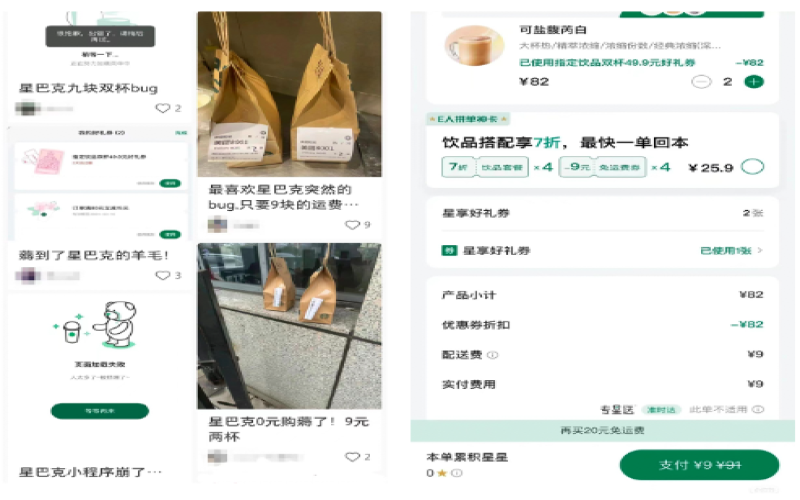
Starbucks System Glitch Triggers Rush for Two Cups for 9 Yuan, 49.9 Yuan Women's Day Promotion Accidentally Leaks Low-Price Loophole
After Luckin Coffee's 9.9 yuan promotion was scaled back, brands like Cotti Coffee and Tims rolled out short-term 9.9 yuan offers to grab market share. Starbucks, which once declared it would "compete on market, not price," recently suffered a system glitch during its March 8 Women's Day promotion, accidentally letting some consumers buy two large drinks for just 9 yuan. The loophole quickly sparked a frenzy of deal-hunting on social media, with some successfully placing orders while others had their payments canceled and refunded after checkout. Starbucks quickly fixed the bug, and the promotional price returned to 49.9 yuan for two cups. This accident not only gave consumers a taste of the thrill of "snagging a bargain," but also reignited discussion about the coffee price war. [more…]
Legal Interpretation of the Luckin Low-Price Order Incident: Consumer Red Lines and Platform Liability Under System Vulnerabilities
The unusual pricing incident involving Luckin Coffee's delivery platform packages has drawn widespread attention. After consumers placed orders at extremely low prices, their orders were unilaterally cancelled, giving rise to legal disputes. Citing the views of a legal blogger, the People's Court Daily pointed out that when a merchant's pricing error results from staff mistakes, the merchant may claim a major misunderstanding to rescind the contract, but this must be resolved through litigation or negotiation. Ordinary consumers who unintentionally buy low-priced drinks have not broken the law, but those who knowingly exploit a system loophole and maliciously place large numbers of orders may run afoul of the law. This article will analyze the course of events, the legal basis, and Luckin's compensation measures in detail, while reminding coffee lovers that when enjoying discounts they must hold fast to the bottom line of good faith and avoid crossing the red line of the law. [more…]

Luckin Coffee's pricing error on Ele.me sparks controversy: two lattes for 6 yuan get delisted and an apology issued
The lingering warmth of the weekend has barely faded, and on Monday morning office workers are still steeped in drowsiness, with a cup of coffee becoming essential to wake themselves up. Yet this morning, many early risers discovered that two lattes from Luckin Coffee on the Ele.me platform cost only 6 yuan, and this abnormally low price quickly ignited social networks. Some seized the chance to place orders, joyfully starting the new week, while others had just paid when their orders were unilaterally canceled. Luckin then urgently shut down its Ele.me stores and issued an apology, admitting it was caused by a configuration error by operations staff. This sudden price bug not only left some consumers with false hope, but also sparked discussion about who should pay for corporate mistakes. Was this blunder a mistake or marketing? And how should consumers view the cancellation of low-priced orders? This article will sort out the ins and outs of the incident and bring a professional perspective from Front Street Coffee. [more…]
Brazil Adjusts PIS-Cofins Tax Credit Rules, Coffee and Other Agricultural Exports Under Pressure, Global Prices May Rise Further
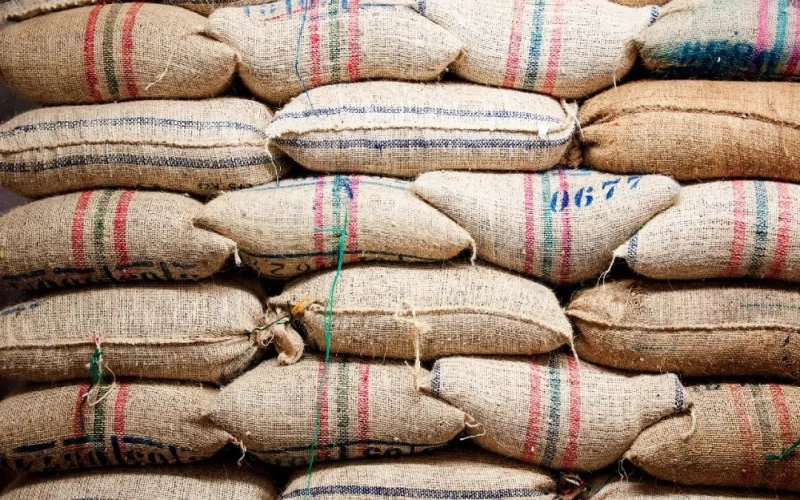
The Brazilian government recently submitted an executive order to Congress aimed at tightening the rules for the use of federal PIS-Cofins tax credits, with the goal of closing tax loopholes across multiple industries and supporting the objective of eliminating the fiscal deficit this year. However, this move has met strong opposition from the agricultural sector, with exporters of coffee, meat, fruit, grains and other products expected to see revenues fall by 26.3 billion reais. The Brazilian Coffee Exporters Council pointed out that the new rules will increase corporate cash flow pressure and operating costs, potentially triggering food inflation and unemployment, and weakening the international competitiveness of Brazilian coffee. Meanwhile, severe weather in Vietnam has led to reduced production and already pushed up coffee futures prices, and a slowdown in Brazilian exports could further fuel the rally. Notably, Luckin Coffee has signed a memorandum of cooperation with the Brazilian side, planning to purchase about 120,000 tons of coffee beans over the next two years, which brings good news for Brazilian exports. Front Street Coffee reminds enthusiasts to pay attention to the impact of policy changes on the coffee market. [more…]
New tax policies in Brazil! Prices of agricultural products such as coffee will continue to rise.
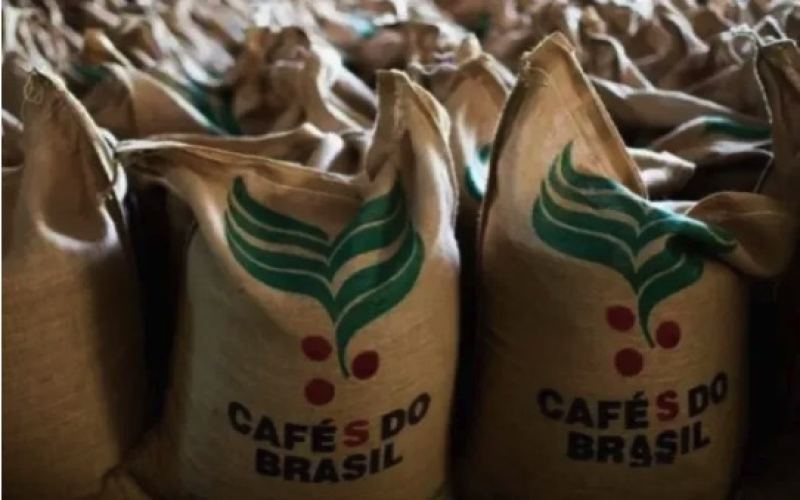
Recently, according to local media reports in Brazil, earlier this week, the new administrative order submitted by the Brazilian government to the congress contains a new measure related to tightening tax exemptions. According to the Brazilian Minist [more…]
Guming Milk Tea was fined 11.61 million yuan for tax evasion of 23.22 million yuan. How will the brand's trust crisis be resolved?
Recently, GuMing Milk Tea was fined over 11.61 million yuan for tax evasion, and the news quickly topped Weibo's trending list, sparking heated discussion among many consumers. Many milk tea enthusiasts expressed shock and disappointment, lamenting that the brand had "collapsed." As a well-known tea beverage brand, GuMing's tax issue this time not only involves a huge amount but also exposes loopholes in corporate compliance management. This article will sort out the timeline of the incident, the details of the fine, and consumer reactions, and explore the impact of the incident on the brand's image and the industry. At the same time, we continue to follow developments in the coffee field, bringing you professional coffee knowledge and specialty bean recommendations. [more…]
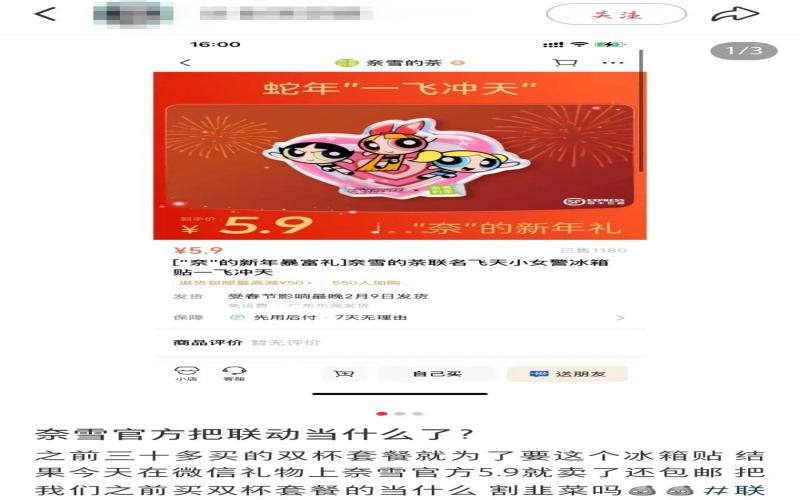
After its limited-edition merchandise event, Nayuki cleared stock at low prices, and fans who bought the bundles cried foul.
Nayuki's official shop recently sold last year's co-branded limited-edition merchandise for 5.9 yuan with free shipping, including Powerpuff Girls fridge magnets, sparking strong dissatisfaction among consumers who had originally bought designated set meals to obtain the merchandise. Some store employees even revealed that some expired merchandise could be obtained for free without any purchase, simply by checking in and writing a positive review. On one side, fans who spent money on set meals feel let down; on the other, the brand is turning inventory into free gifts or selling it at low prices to avoid waste. Regarding how limited-edition merchandise is handled after a campaign ends, consumer opinions are clearly divided—some support clearing out stock, while others worry that bargain hunters exploiting loopholes could affect future collaborations. [more…]
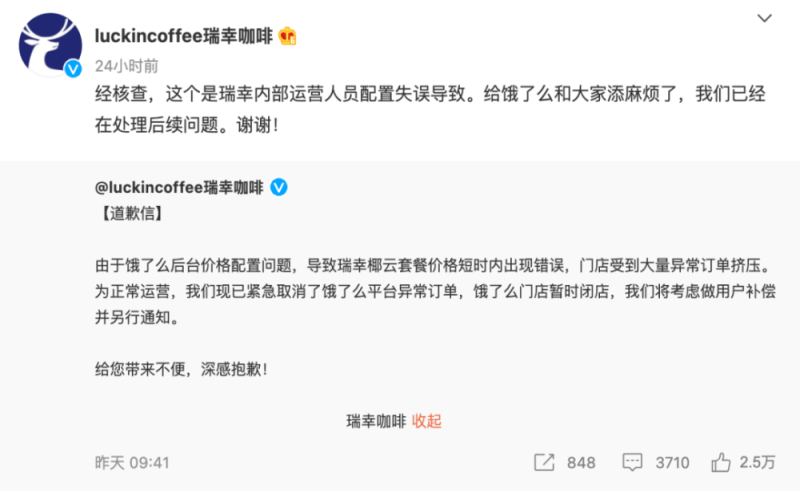
Is Luckin's forced cancellation of low-priced orders illegal? Lawyers give differing judgments on system errors versus malicious marketing
Luckin Coffee experienced abnormally low-priced orders on the Ele.me platform due to an operational configuration error. After a large number of users rushed to place orders, Luckin handled the situation by unilaterally canceling orders and temporarily suspending online operations. This move sparked strong dissatisfaction among consumers and also drew attention from the legal community: lawyers on one side argued that canceling paid orders was suspected of infringing on consumer rights; the other side pointed out that if it was a major misunderstanding, the contract could be revoked in accordance with the law. If there was intentional malicious marketing, it could also constitute fraud. In the end, Luckin promised to bear all losses and issue compensatory vouchers. This article sorts out the course of the incident, netizen feedback, and lawyers' views, so that coffee lovers can understand the full picture of this controversy. [more…]
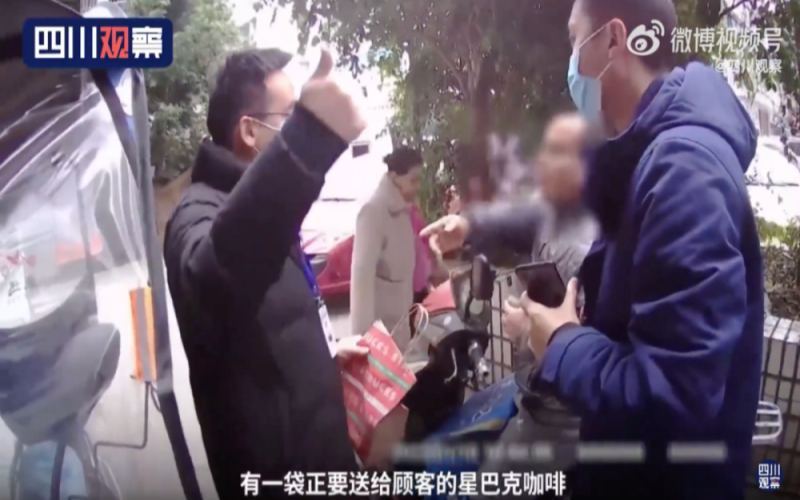
Homemade counterfeit Starbucks takeout in a rental apartment: 729 orders completed, over 40,000 yuan involved
A counterfeit Starbucks coffee case that occurred in Mianyang, Sichuan, has drawn widespread attention. The counterfeiters hid in a residential building and used delivery platforms to sell their homemade products under the guise of "purchasing on behalf of customers," accumulating 729 orders and involving more than 40,000 yuan. The on-site environment was alarming, yet the ingredients and packaging materials bore the Starbucks logo. Starbucks China has responded and is cooperating with the investigation, urging consumers to make purchases through official stores or Starbuck Delivers. The incident has also exposed loopholes in delivery platform vetting. This article reviews the course of the case, the official response, and consumer reminders, and includes Front Street Coffee's professional information channels. [more…]
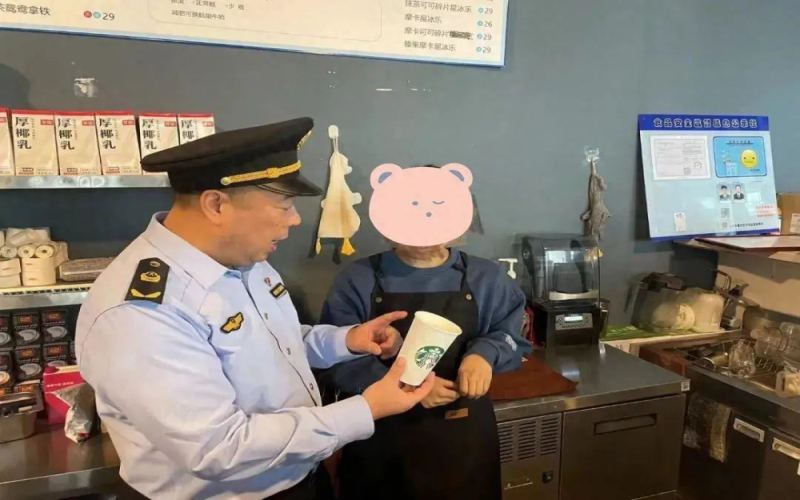
Takeout Proxy Stores Turn Out to Be Counterfeit Starbucks Dens? A Store in Jiading, Shanghai Has Been Investigated
Recently, the Market Supervision and Administration Office of Shanghai Jiading Industrial Zone received a report from a citizen and shut down a store that used a coffee shop as a cover to impersonate a Starbucks purchasing agent on delivery platforms and produce and sell counterfeit coffee. A large number of packaging materials bearing the Starbucks logo were seized at the scene, including cups, syrups, and bags. Such incidents have been common in recent years, exposing issues behind the scenes such as loopholes in delivery platform review and the unrestricted circulation of branded materials. When buying coffee, consumers should choose legitimate stores to avoid falling into counterfeit traps. Front Street Coffee reminds you to pay attention to developments in the coffee industry, and even more to the source and quality of every cup of coffee. [more…]

Ten camping chairs stolen from a Huangshan coffee shop in the early hours; surveillance captures the whole process, police urge businesses to step up precautions.
In recent years, camping-style furniture has become wildly popular in the food and beverage industry, with lightweight, portable folding tables and chairs that create a strong atmosphere having become almost standard equipment for coffee shops. However, these convenient and practical pieces of furniture have also become a hot target for thieves. A coffee shop in Huangshan, Anhui, fell victim to a bizarre theft — not a cent of cash was touched, but ten camping chairs in the courtyard vanished without a trace. After reviewing surveillance footage, police uncovered a truth that was both exasperating and laughable: a couple passing by late at night sat down to rest, found the chairs so comfortable that they spontaneously decided to carry them off. This case reflects the widespread loopholes in theft prevention management among coffee shop owners and has also drawn industry attention to the safety of camping-style furniture. [more…]
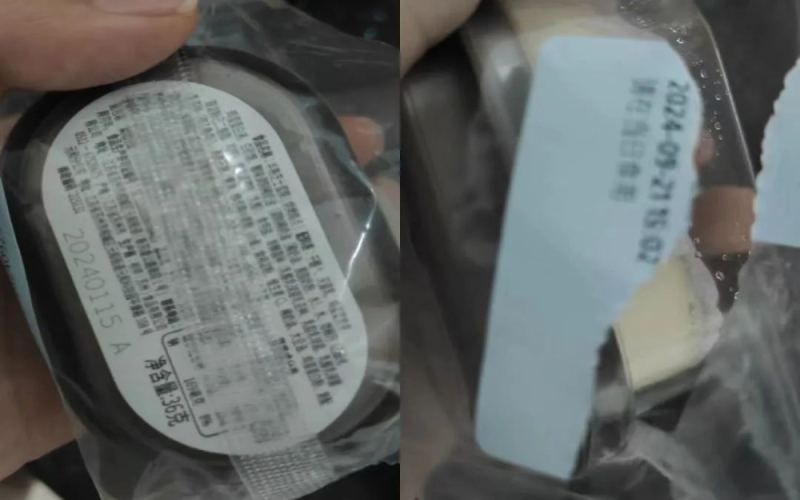
Luckin Coffee store sells half-baked cheesecake two and a half months past its expiry date; consumer seeks 1,000 yuan in compensation and ultimately receives statutory compensation
Recently, a consumer ordered a half-baked cheesecake from Luckin Coffee, only to find that the product had expired for over two months. The consumer demanded 1,000 yuan in compensation based on the Food Safety Law. Luckin's customer service initially offered only ten coffee coupons, then raised it to 300 yuan plus ten coupons, both of which were rejected. The incident sparked widespread discussion, with many Luckin employees revealing that light food products should strictly follow first-in-first-out and daily inspections. The fact that this expired item went undetected for two months reflects obvious loopholes in store food safety management. Ultimately, Luckin completed compensation at the statutory amount by noon the next day. This article will review the incident, the legal basis, and industry management practices, and include related recommendations from Front Street Coffee. [more…]
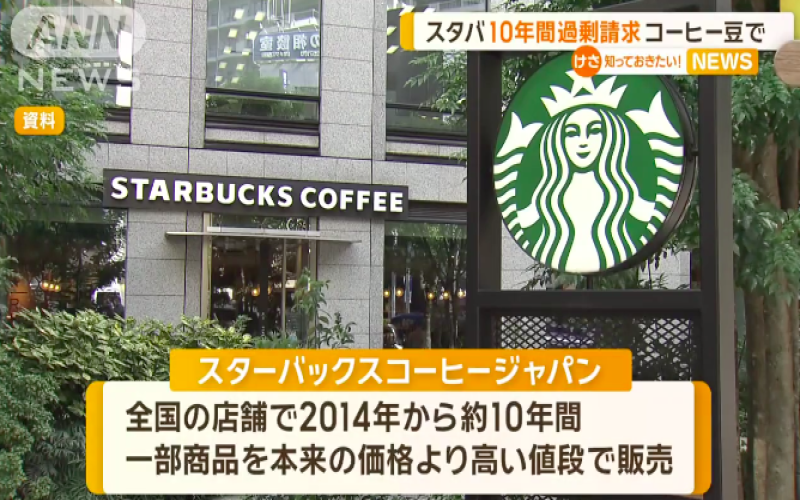
Starbucks Japan's Decade-Long Pricing Error: Overcharges on 164 Coffee Bean Products, Official Apology and Three Refund Options Announced
Starbucks Japan recently issued an announcement admitting that from September 2014 to January 2024, 164 types of coffee beans across its nationwide stores were sold above their listed prices due to a defect in the cash register system settings. Over the ten-year period, a total of 5,896 bags of affected products were sold, with overcharges amounting to 124,033 yen. The company has corrected the system and issued an apology, while offering three refund options: stored-value card members will automatically receive the difference back, while other customers need to bring a receipt or provide purchase information to handle it at the counter. Netizens generally believe the time span is too long and the amounts too small, and suggest apologizing with more practical compensation such as drink vouchers. [more…]

Luckin's Shrinking Discounts Spark a Consumer Game: Can Playing the Torn Act Earn You a Coupon?
Luckin Coffee has gone from its early days of frenzied subsidies to a noticeably reduced level of discounting today, with the price of a single drink generally climbing back into the 15 to 25 yuan range, and some consumers even feeling they are being price-gouged. As its reputation for value for money gradually fades, some netizens have figured out a method of "performative ordering"—repeatedly wavering in the mini-program and ultimately abandoning the purchase, in an attempt to trigger Luckin's retention mechanism and obtain coupons. Does this tactic actually work? And what user behavior analysis logic lies behind it? This article will lay out the full picture of this phenomenon, while also reminding consumers: even when hunting for bargains, one must uphold the bottom line of honesty. [more…]
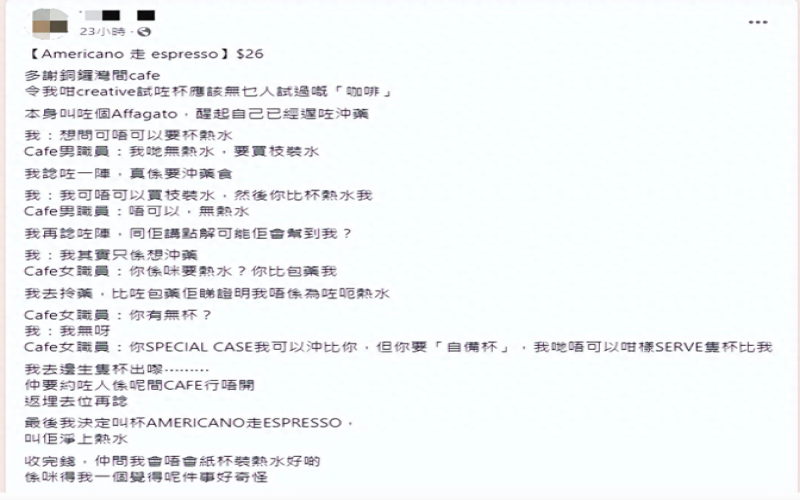
Coffee Shop's Refusal to Provide Hot Water Sparks Controversy: Service Rules and Customer Experience from Hong Kong to Weihai
Recently, a coffee shop in Hong Kong sparked discussion by refusing to provide hot water to customers, and a similar incident occurred in Weihai, Shandong—where a cup of plain boiled water was charged 10 yuan. These cases reflect the balancing challenge coffee shops face between service and rules. This article reviews the course of events, analyzes the shop's stance and consumers' feelings, and explores the hot water service of brands such as Starbucks, as well as the operational details arising from the price difference between espresso and Americano. How can a coffee shop uphold its rules without losing its human touch? Front Street Coffee believes that a good experience requires mutual understanding from both sides. [more…]
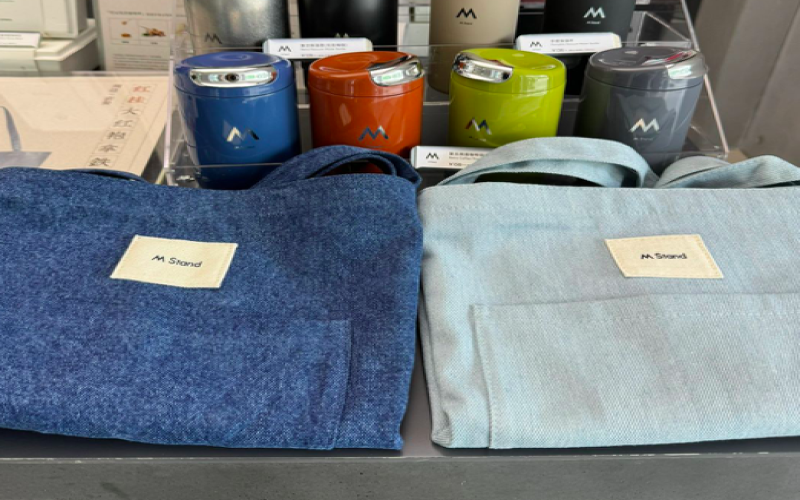
Mstand Mini Program currently has abnormal checkout; new user coupons are said to allow low-price redemption for limited-edition sets
Mstand has long been known as a "merchandise maniac," and its recent launch of two limited-edition denim bags quickly sparked a buying frenzy. However, some consumers noticed during checkout that a 100-yuan member discount appeared in the discount section of the mini-program's settlement page. When stacked, this meant that for just 19.6 yuan, they could get a three-use card package originally priced at 100 yuan, plus a 28-yuan Americano. After this anomaly was shared online, a large number of users rushed to register as members in the mini-program to try to replicate it, but few succeeded. Was it a system glitch or a traffic-driving tactic? How did the company handle it afterward? This article will sort out the whole incident. [more…]

Peet's Coffee Membership Perks Adjusted: Lower-Tier Birthday Cake Vouchers Canceled, V5 Threshold Raised to 1,000 Yuan
Chain coffee brands typically rely on well-developed membership mechanisms to boost user loyalty, maintaining emotional connections with customers through occasional perks and birthday surprises. However, a recent announcement from Peet's Coffee about changes to membership benefits has drawn attention: starting April 29, the birthday cake slice voucher for V2 members will be canceled, and the half-price drink voucher in the upgrade gift for lower-tier members will be adjusted to a 30% discount voucher. This means V5 members and below who have spent less than 1,000 yuan will no longer enjoy the birthday cake perk, leaving many loyal customers caught off guard. The brand's move may be aimed at curbing freebie hunters, but it could also drive away some long-term supporters. [more…]
Kenya's New Coffee Policy Shakes the Industry: Global Green Bean Giant NKG Forced to Close Plants and Withdraw
Neumann Kaffee Gruppe (NKG), the number one player in the global green coffee trade, recently announced the termination of its factory operations in Kenya, directly due to its failure to obtain an operating license from the government. This incident occurred after Kenya implemented the 2019 Coffee Regulations and the 2020 Capital Markets (Coffee Exchange) Regulations, both aimed at enhancing transparency in coffee trading, introducing digital management, and reshaping the regulatory framework. However, delays in license issuance during the implementation of these reforms have already led several companies into operational difficulties—local producer Eaagads saw its sales revenue plummet by 99% within half a year, with a net loss of 33.1 million shillings. Industry insiders worry that if the licensing issues continue to escalate, more traders will choose to exit because they cannot conduct business normally. [more…]
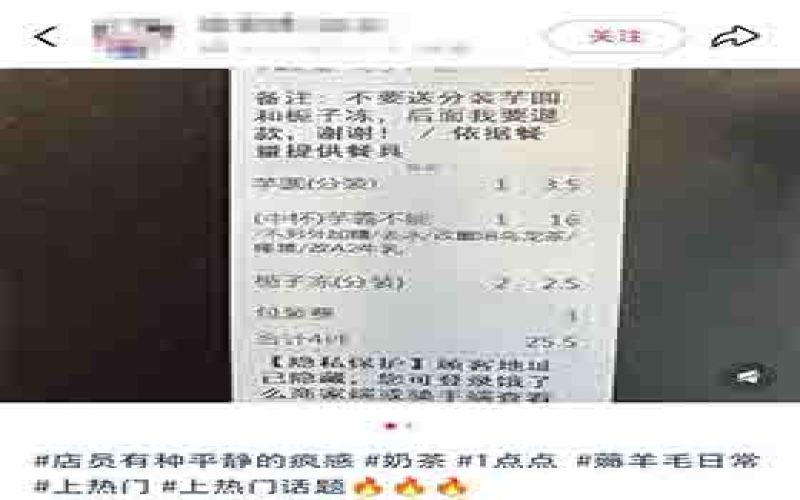
Adding extra toppings to meet the minimum order for milk tea delivery and then requesting a refund sparks heated debate, leaving staff baffled
During the Double Eleven shopping festival, many consumers, in order to use platform coupons, adopt a method of first adding extra items to reach the threshold and then requesting a refund, so as to buy their desired products at a lower price. This practice, known as the "big promotion add-on refund trick," was originally seen mostly on online shopping platforms, but has now quietly appeared in the tea beverage delivery industry. Recently, a milk tea shop employee posted a customer order, with notes requesting that the toppings not be packed separately and intending to request a refund afterward, which left the employee and netizens astonished. The incident sparked widespread discussion, with netizens both curious about the feasibility of the operation and expressing sympathy for the merchants and employees. This article will recount the incident and analyze the platform rules and industry dilemmas behind this phenomenon. [more…]
Starbucks coupon bug trends on social media: From foreign object incidents to Luckin co-branding, how to resolve the brand trust crisis?
Starbucks' mini-program and App suddenly experienced a coupon bug, quickly shooting to the top of trending searches, after which the system entered a maintenance state. Official customer service said it was a system malfunction and that issued coupons could still be redeemed normally. However, the timing of the incident was sensitive, and many netizens speculated about the motives behind it—either to divert public pressure from the foreign object incident the previous day, or to respond to the sales heat of Luckin and Coconut Palm's co-branded Coconut Cloud Latte, which sold 660,000 cups on its first day. In the foreign object incident, the store manager's response and the "deaf-mute partner" explanation sparked controversy, casting a shadow over Starbucks' long-cultivated image of being friendly to disabled employment. At the same time, Starbucks' 24 solar terms series drinks received a lukewarm market response. How exactly should the brand rebuild consumer trust? This article sorts out the timeline of events and viewpoints from all sides for you. [more…]